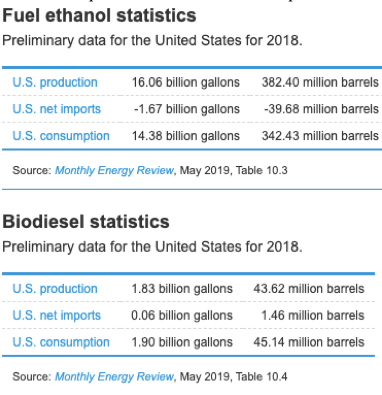
Welcome back everyone to my last blog about biorenewable resources! It’s been a long journey but we are in the home stretch. For this last blog, the topic was Bioenergy, but I want to focus on a specific type of bioenergy, which is biofuel. First, we should get out of the way what bioenergy is before diving into what biofuels are. Bioenergy is using biomass materials like corn to make things like electricity, heat, and transportation fuels. This bioenergy includes biopower and biofuels. As stated before, we will be discussing biofuel. Traditionally, we use things like petroleum or crude oil to fuel various things we use. like coal and natural gas, petroleum is made from the remains of dead organisms, which were formed long ago. But because these remains take a large amount of time to make, we have a limited supply. So what can we do to combat the issue of running out of these remains? We could produce and make biofuels, which we could produce more in our lifetimes and not worry much about ever running out. But what are biofuels? Biofuels are a type of fuel derived from biomass. This fuel can be used as a replacement for petroleum, reduce reliance on other countries’ transportation fuels or energy, and reduce GHG emissions. An interesting statistic from Energy Information Explained shows how much we biofuels we consumed, produced and imported in the US. In particular, how much ethanol, which is made from corn, and how much biodiesel we consumed, produced and imported. These stats prove one of the benefits of using biofuels in the United States could reduce our dependence on other countries’ production of oil and petroleum.
(1)
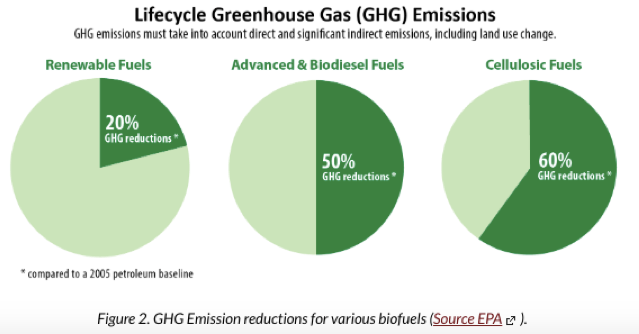
One of the largest out of the various biofuels is corn-based ethanol. But what would the large production of corn-based fuel do to the use of corn for other products? The production of corn-based fuel is capped off at around 15 billion gallons. This may still seem like a lot but this is a well thought through limit so that the production of corn-based fuel doesn’t not hurt the environment and the production of other products that use corn. Also, there are biofuels made from different types of biomass, which could help to reduce the large use of corn-based fuel. These include biodiesel made from things like soybeans and canola, advanced biofuels made from algae and waste crops, and cellulosic fuels made from cellulose. The image bellow is how much reduction of GHG (greenhouse gasses) the types of biofuels can have.
(2)
All in all, crude oil and petroleum are rising in price day by day and people are starting to switch to the use of biofuels so that they can save money. Currently prices of biofuels and crude oil are around the same. But the overall future benefit of using biofuels instead of things like crude oil and petroleum could be cheaper overtime because they could both help your engine run longer and better, which reduces the amount of money spent on repairs.
Thank you all for joining me on this journey and I hope all of you have learned something new.
Sources
(1): https://www.epa.gov/renewable-fuel-standard-program/overview-renewable-fuel-standard#pathways
(2): https://www.eia.gov/totalenergy/data/monthly/#renewable



 Viktor Grin's Blog